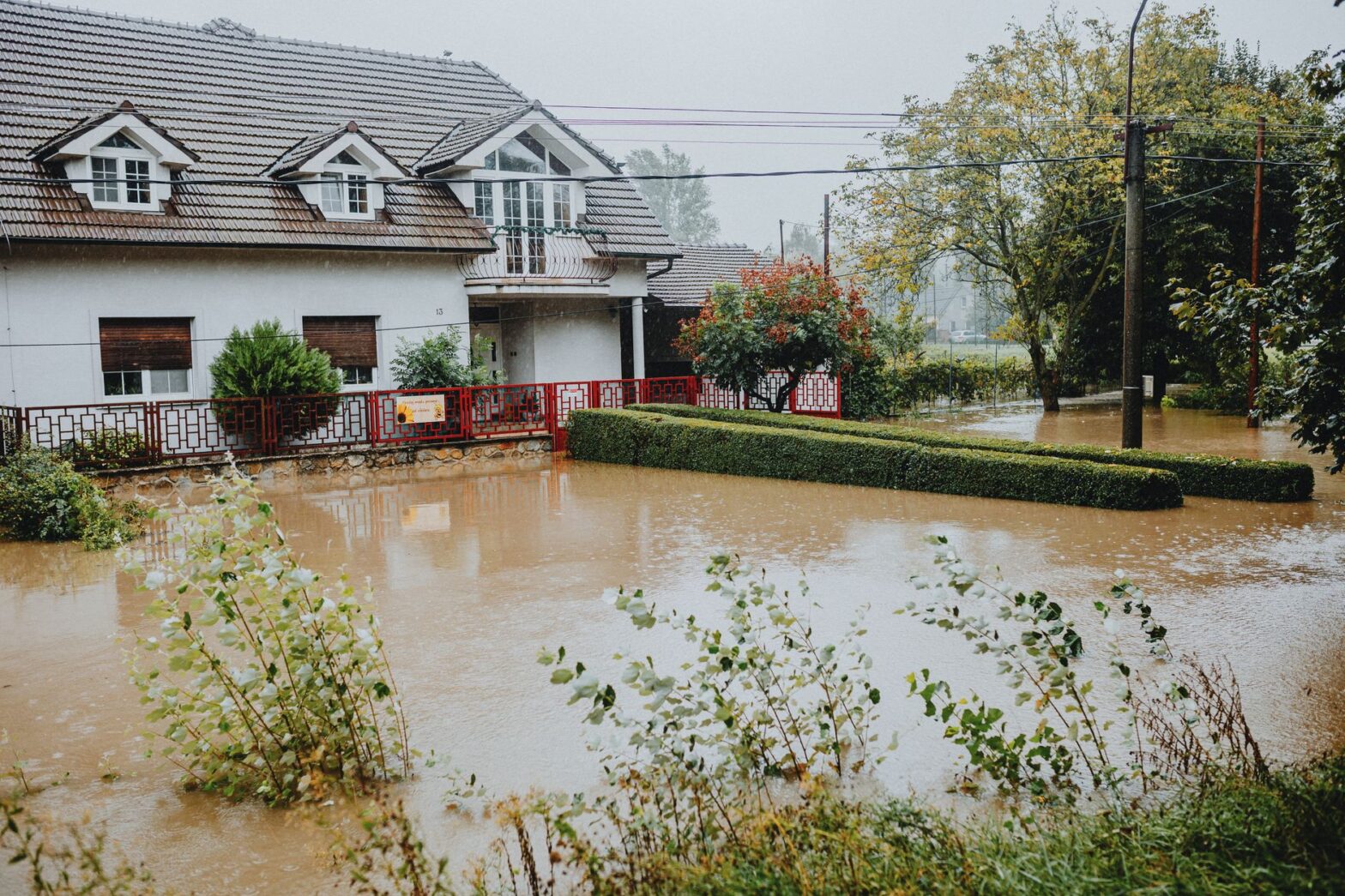
Two photographs of the same room can look like they belong to different houses. In the first, a ceiling fan drips and a rug floats an inch above the floor. In the second, the light is even, the air smells like nothing at all, and the baseboards meet the wall in a clean line. The distance between those two images is the whole story of restoration, and it plays out one space at a time.
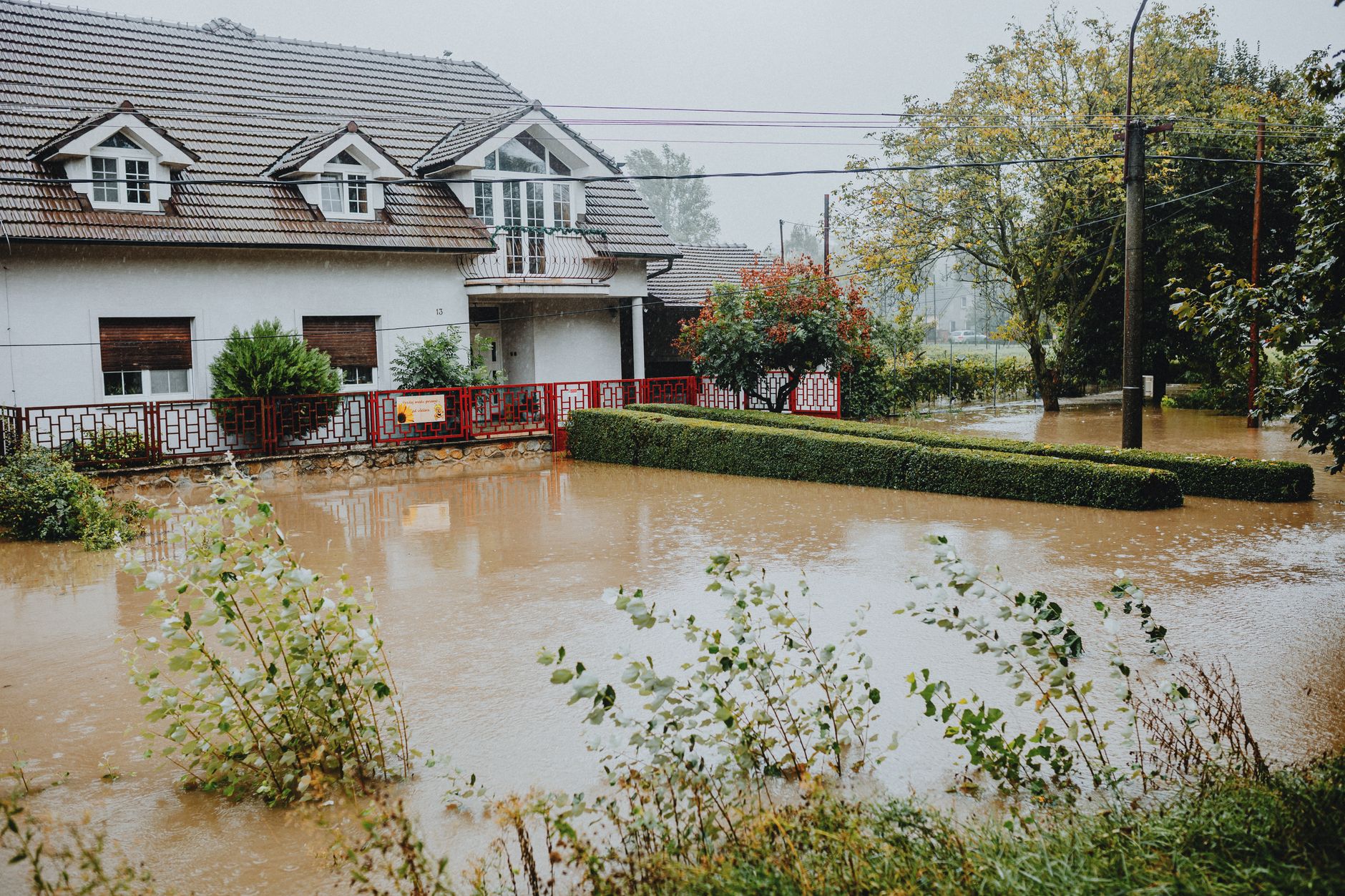
The Flooded Basement vs. the Reclaimed Lower Level
The basement usually takes the first and hardest hit. At the moment of crisis, standing water reflects the overhead bulb, cardboard boxes have collapsed into pulp, and the furnace sits in a puddle it was never built to survive. The waterline on the wall marks how high the trouble climbed.
The reclaimed version is almost boring by comparison, which is the point. Water is extracted, saturated contents are sorted and hauled out, and the slab is dried down to a verified moisture reading rather than a guess. What was a write-off becomes usable square footage again, with the mechanicals checked and the floor ready to accept new storage or finish.
Soaked Drywall vs. Restored, Sealed Walls
Wet drywall does not recover. It wicks moisture upward like a sponge standing on end, sags, and hides colonies of growth behind a surface that still looks intact. During the crisis phase, a technician’s moisture meter often reads high a foot or more above the visible stain.
Restoration means cutting out the compromised sections, drying the cavity behind them, and replacing the material only once the framing reads dry. New board is taped, sealed, and painted so the repair disappears. The wall you end up with is not patched over the problem; it is rebuilt without it.
Warped Hardwood vs. Refinished Flooring
Hardwood tells on itself quickly. Boards cup along their edges, gaps open and close with the humidity, and in bad cases the planks lift and tent away from the subfloor. Early in a flood, the surface may still feel solid even as the wood underneath swells.
Where the floor can be saved, controlled drying and gentle acclimation coax many boards back toward flat before sanding and refinishing bring back the grain. Where it can’t, the ruined sections come up and the subfloor is dried before anything new goes down. The finished result reads as a floor, not a repair.
Musty Air vs. Balanced, Dry Indoor Climate
Long after the visible water is gone, the air can keep the memory of it. That heavy, earthy smell is airborne moisture and microbial activity announcing themselves. Correcting it takes dehumidification, air movement, and sometimes air scrubbing rather than a scented spray. The after state is an indoor climate with humidity in a healthy range and air that simply smells clean.
A Chaotic Cleanup Scramble vs. Coordinated Response
Left to improvise, a homeowner ends up bailing with buckets, running a shop vac past its limit, and dragging soaked furniture across dry flooring, spreading the damage instead of stopping it. The scramble burns hours during the exact window when fast, correct action matters most.
A coordinated response replaces that with sequence and equipment. Teams that handle flood cleanup staten island homeowners rely on arrive with extraction pumps, commercial dryers, and a plan that treats the house as a connected system rather than a series of separate emergencies. The change from chaos to method is often what determines whether a room is saved or gutted.
Lingering Damage Fears vs. Verified, Documented Peace of Mind
The last transformation is the quietest. After a flood, the fear that something is still wet, still growing, still hiding tends to linger even in a room that looks restored. Verified moisture logs, before-and-after documentation, and a clear record of what was removed and replaced turn that anxiety into evidence. For families across Staten Island, that paperwork is also what keeps insurance conversations grounded in fact.
When you look back across the whole house, the pattern holds:
- Every room moves from visible crisis to a verified dry state.
- Materials are restored where possible and replaced where they can’t be saved.
- Speed and sequence decide how much survives.
- Documentation is what turns a finished job into real peace of mind.