The same alarm goes off at 7:00 a.m. on the same Tuesday, in the same flat, for the same person. In one version of that morning, the phone screen is dodged because the night before is a blur. In the other, the phone gets picked up without a flinch. Nothing dramatic separates these two Tuesdays on paper. The difference is entirely internal, and it changes every hour that follows.

Morning Dread vs. Morning Clarity
Before treatment, the first conscious thought is an inventory of damage. What was said, what was sent, how much is left in the bottle, and whether anyone noticed. The body arrives at the day before the mind is ready, shaky and reaching for water or something stronger. Getting dressed takes twice as long because concentration keeps slipping.
After treatment, morning is simply the start of the day rather than a reckoning. There is no accounting to do, no cover story to rehearse. The clarity is unglamorous and easy to take for granted, which is precisely why it feels so different once it is there.
The Hidden Lunch Drink vs. The Honest Midday Break
By noon in the drinking version of Tuesday, the pull has become a plan. A quiet pub two streets from the office, a bottle in a bag, timing worked out so nobody comments on the smell. Lunch is not food; it is maintenance, a way to smooth the edges before the afternoon meetings.
Afterwards, midday is honest again. Lunch is a sandwich and a walk, or a proper break with colleagues who no longer feel like people to be managed and misled. The relief of not organising a secret is quietly enormous.
Afternoon Fog vs. Afternoon Focus
Through the afternoon, the drinking day sags. Emails get half-read, mistakes creep in, and the clock is watched not for the end of work but for the next acceptable moment to top up. The fog is heavy, and productivity is mostly performance.
The changed afternoon is sharper. Tasks that used to spill into the evening get finished on time. This is often where people first notice, in plain practical terms, how much of their capability the drinking had quietly borrowed.
Evenings Alone vs. Evenings That Belong to You
Evenings tell the truest story. The drinking Tuesday ends in isolation, curtains drawn, phone on silent, because company means questions and questions mean effort. Plans with friends get cancelled with a familiar excuse. The bottle is the only appointment kept.
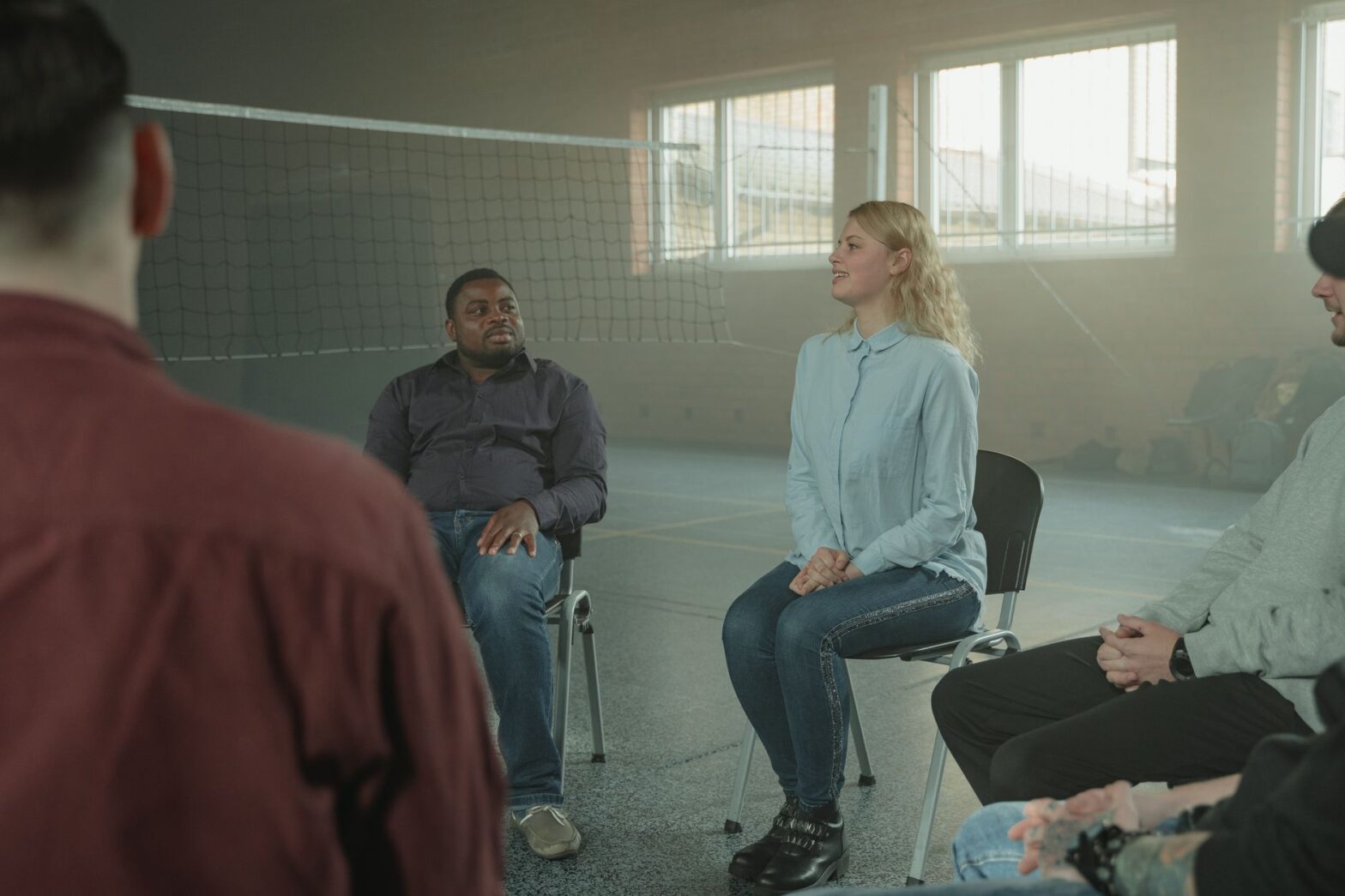
Rebuilding those evenings rarely happens by willpower alone, which is why structured support matters. Many people begin the shift by arranging proper alcohol addiction treatment london rather than trying to white-knuckle it in secret. Once the drinking loosens its grip, the evening stops being something to survive. There is a phone call returned, a meal cooked, a series watched to the end without losing the plot. The hours belong to the person again.
Sleepless Nights vs. Restful Sleep
Alcohol counterfeits sleep. The drinking night starts with a heavy, sudden drop into unconsciousness and then splinters around 3:00 a.m. into wakefulness, sweating, and a racing heart. By the time the alarm returns, no real rest has happened, which is why the dread starts all over again.
Restored sleep is the change people mention most often once it settles in. It is not instant and the early nights can be rough, but eventually a full night arrives, and the morning that follows is finally worth waking into.
The Drink-Led Weekend vs. Life Rebuilt Through Recovery
Stretch the same contrast across a weekend and it magnifies. The drink-led Saturday and Sunday are shapeless, planned around off-licence hours and hangovers, with Monday arriving as a wall. The rebuilt weekend has actual events in it: a park, a family lunch, a plan made on Wednesday and kept on Saturday. Recovery does not hand anyone a perfect life. It hands back the ordinary one, which turns out to be the thing that was missing.
If the two Tuesdays above are recognisable, a few things are worth holding onto:
- The gap between them is not about willpower; it is about getting the right help.
- Ordinary hours, not dramatic rock-bottom moments, are where the change is felt.
- Better sleep and honest evenings tend to return earlier than people expect.
- Reaching out on a normal weekday is exactly the right time to start.